
Root canal treatment is a highly effective procedure for saving damaged or infected teeth, helping you maintain your natural smile and avoid more complex dental work. If you're experiencing pain or suspect you need a root canal, schedule a consultation with your dentist to discuss your treatment options.

Root canal treatment is necessary when the pulp inside the tooth becomes infected or inflamed due to:
Common symptoms that could indicate a need for root canal therapy include:

1. Initial Consultation: Your dentist will assess your tooth using X-rays and a clinical examination to determine if a root canal is necessary.
2. Local Anaesthesia: The area around the affected tooth is numbed to ensure you’re comfortable throughout the procedure.
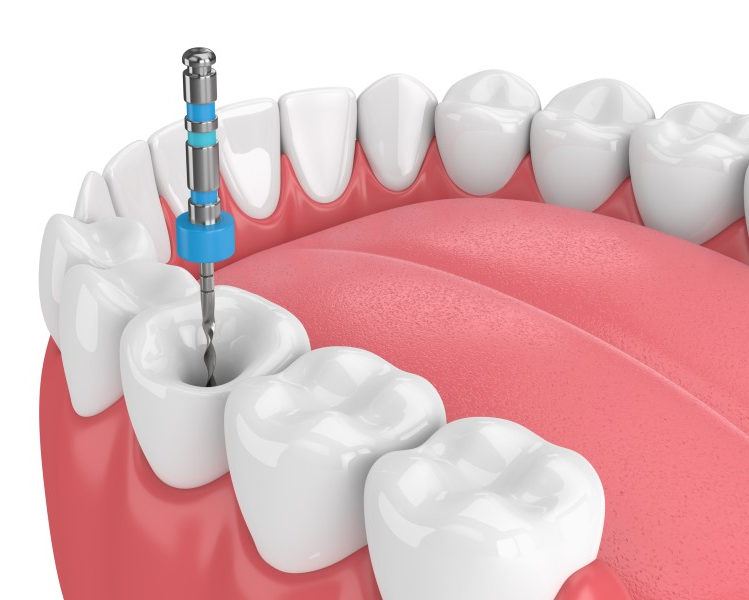
3. Removing the Infected Pulp: Your dentist will create a small opening in the tooth to access and remove the damaged or infected pulp. The pulp chamber and root canals are thoroughly cleaned and disinfected.
4. Filling the Canals: After cleaning, the root canals are filled with a biocompatible material (gutta-percha) to seal the space and prevent future infection.
5. Restoring the Tooth: In many cases, a crown is placed over the treated tooth to restore its strength, shape, and appearance. The crown protects the tooth from further damage and restores its function.
Many people believe that root canal treatment is painful, but it’s actually no more uncomfortable than getting a regular filling. Thanks to modern dental technology and anaesthesia, the procedure is typically pain-free, and any discomfort you may experience afterwards is usually minimal and short-lived.
Not every dental issue requires a root canal. Your dentist will carefully assess your tooth’s health and determine the best course of action. In cases where the tooth is too damaged or severely infected, extraction might be the only option, but most infected teeth can be saved with root canal therapy.
With proper care, a tooth that has undergone a root canal can last a lifetime. Following the procedure, it’s essential to maintain good oral hygiene and visit your dentist regularly to ensure the tooth remains healthy.